

Vector Three hidden connections between knowledge graphs, function calling, and citation authority that most GEO practitioners miss.RAG is reaching its limit. You’ve vectorized everything—docs, PDFs, product specs—and your retrieval scores are solid. But answer engines still rank your brand low, and hallucinators cite random sources. The problem isn’t retrieval; it’s reasoning.
Knowledge graphs fix this. They’re not optional anymore. By 2026, every serious GEO strategy relies on GraphRAG—structured relationships that let agents understand context, trace reasoning, and answer multi-step queries that vector-only approaches can’t crack.
Here’s what’s really happening under the hood, and why it matters.
Knowledge Graphs Are Your Agent’s Silent Compass
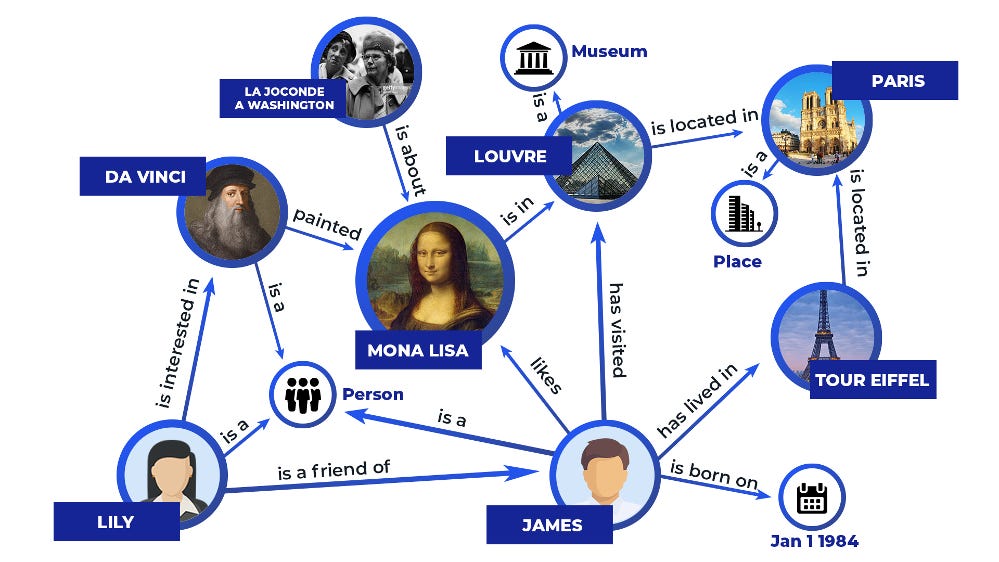
Vector retrieval pulls documents by semantic similarity. It’s fast. But it’s stateless. A query about “pricing for enterprise accounts in US regions” returns chunks about pricing and regions separately. The agent has to stitch them together.
Knowledge graphs store relationships. “PricingTier X applies to US-East-1.” “Enterprise account includes support SLA.” Now your agents traverse nodes, not just search vectors. They understand causality.
This is the first hidden connection: KGs + Function Calling = Better Agent Planning. When an agent encounters a complex query, a KG doesn’t just retrieve; it maps the decision tree. The agent sees which functions to call and in what order. That’s planning, not just retrieval.
Multi-Hop Reasoning = Better Answer Engine Rankings
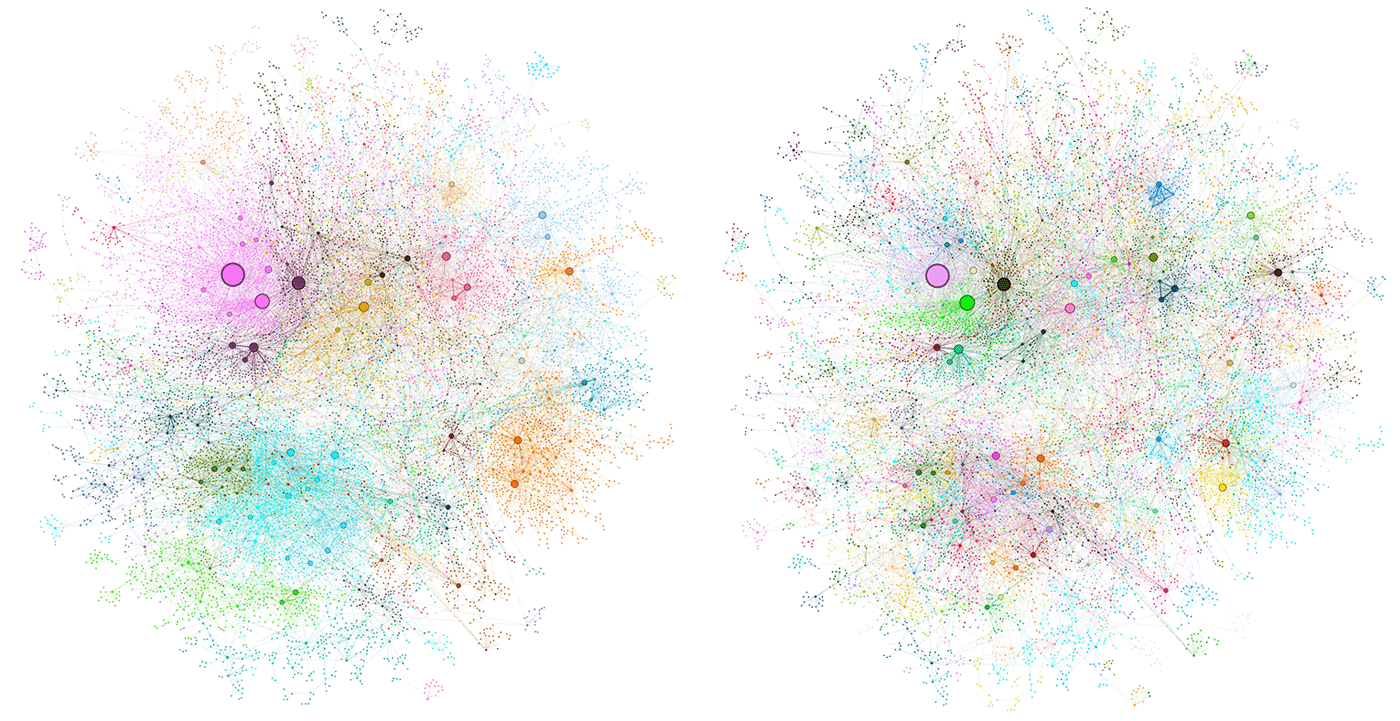
This is the second hidden connection: GraphRAG chains + Context Window = Multi-Hop Authority. Traditional RAG answers single-hop queries: “Who is the CEO?” It retrieves the answer vector.
But GEO queries are multi-hop: “Which pricing tier applies to enterprise customers in our US region, and what’s the cancellation policy?” Vector RAG retrieves price docs and cancellation docs. GraphRAG traverses the relationship graph, finds the matching node, and returns the reasoning path.
Answer engines rank sources by authority. A source with a reasoning chain (“pricing tier A→enterprise→US-East-1”) scores higher than a disconnected snippet. That’s how your brand climbs rankings.
Provenance Chains Fix Your Citation Problem
Remember the April article about brands being invisible to LLMs? The root cause: no provenance. Answer engines spit out answers without showing the reasoning chain. A user reads your answer but can’t trace it back to you.
GraphRAG nodes ARE provenance chains. Each relationship is a traceable step. When an answer engine cites a multi-hop reasoning path, your brand appears in the chain. You’re not a floating snippet anymore; you’re the authority source.
Third hidden connection: Knowledge Graphs + Context Window = Citation Authority. With KGs, your sources are linked by reasoning, not just matching keywords. Evaluators (both AI and human) see the full chain: Query → Graph Traversal → Your Source. That’s trust.
Shipping GraphRAG Without Breaking Your Stack
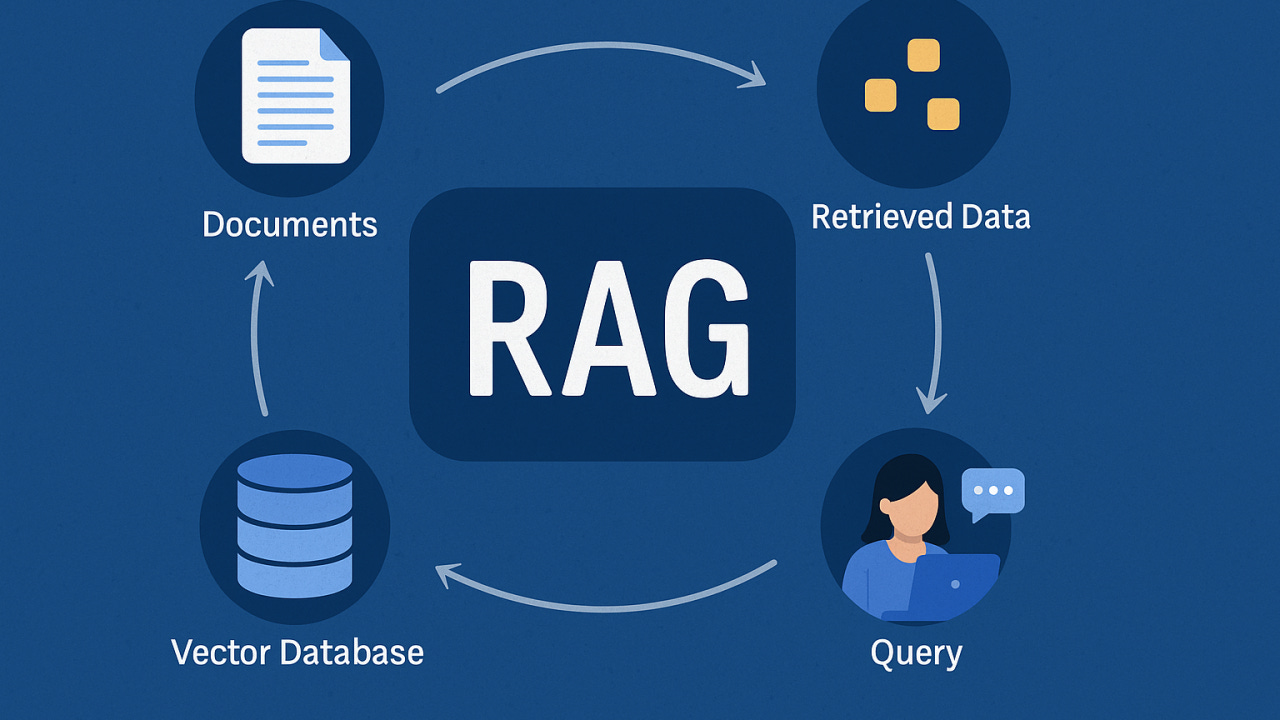
Don’t rip out your existing RAG. Hybrid is the 2026 standard.
Vector RAG is still fast for retrieval. Knowledge graphs layer on top: graph DBs like Neo4j or Weaviate (which now support hybrid queries) run alongside your vector index. Your ingestion pipeline doesn’t change much; you add relationship extraction (LLM or rule-based).
The agent now has a choice: fast retrieval OR deep reasoning. For simple queries, RAG wins. For complex ones, GraphRAG traverses. You’re not replacing tech; you’re layering intelligence.
Quick Wins for GEO
Map relationship edges in your knowledge base (“Product X→Tier Y→Region Z”). Start with your top FAQs. Use Claude or GPT to extract these automatically.
Run hybrid searches in your test environment. Compare vector-only answers vs. graph-augmented ones. Multi-hop queries will outperform dramatically.
Measure citation precision. Track how many answer engine results cite your sources via reasoning chains, not just keyword matching. You’ll see a lift immediately.
Experiment with function-call routing. If your agent knows “pricing queries need graph traversal,” you cut latency and improve accuracy.