

The race for real estate in large language models is heating up—and most brands have no idea they're already losing ground.
When someone asks ChatGPT, Claude, or Perplexity about your industry, does your brand get mentioned? Do you rank high in the citations that answer their query? Or are your competitors getting all the credit?
Welcome to the world of LLM brand visibility—the new competitive advantage that separates market leaders from everyone else.
Why LLM Brand Visibility Matters Now
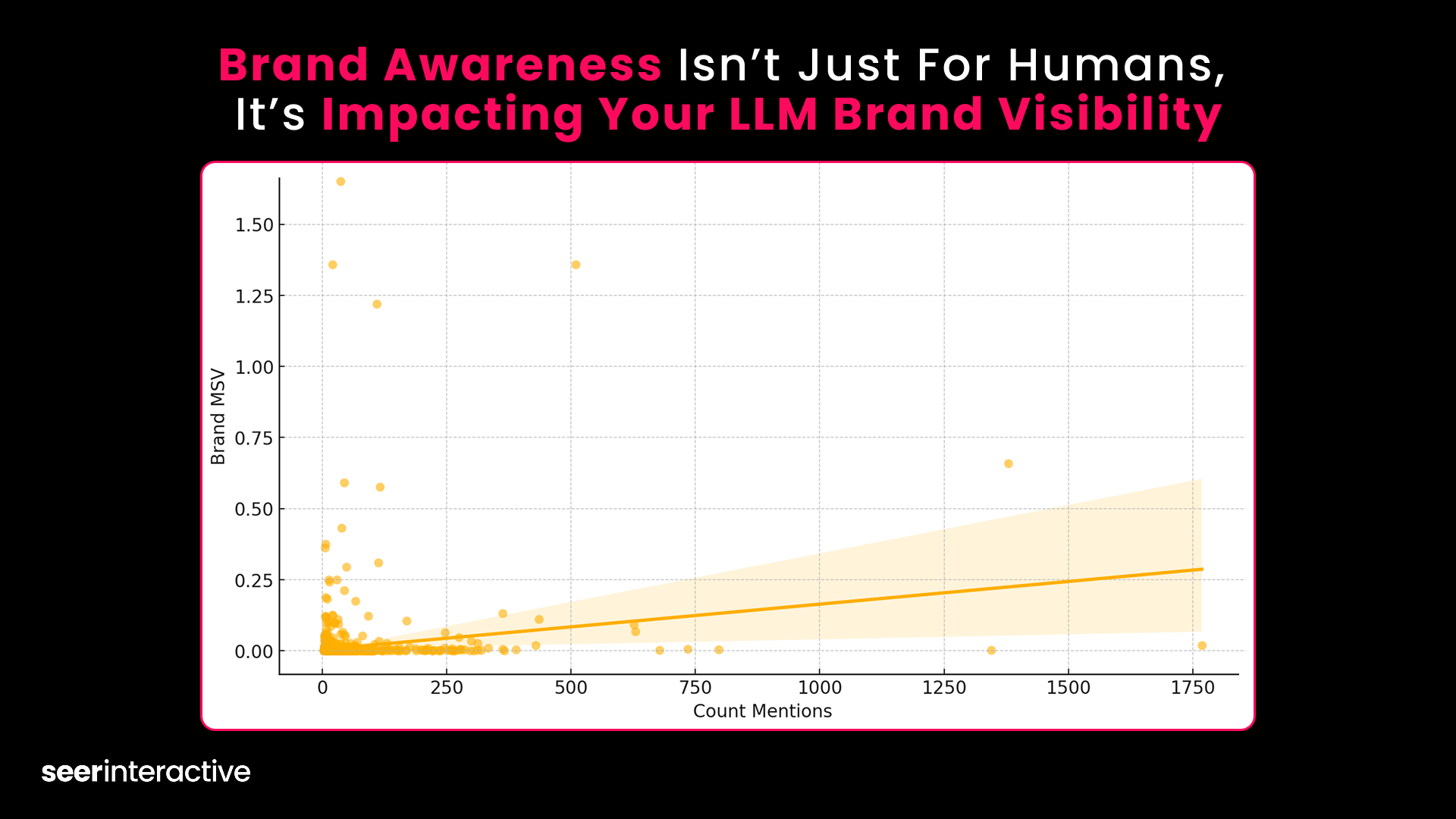
Unlike traditional search where you compete for top rankings on Google, LLM visibility is fundamentally different. When an AI model answers a user's question, it doesn't always cite the most relevant source. Instead, it prioritizes sources it's confident about, was trained on heavily, and deems authoritative.
For your brand, this means:
Your website could be invisible to millions of AI queries even if you rank well on Google
Competitors mentioned in AI responses get clicks, credibility, and mindshare—without any traditional SEO investment
The winners in this space are the ones taking action now, while the playing field is still relatively open
Here's the reality: LLM brand visibility isn't coming in 2027. It's here in 2026, and the brands securing top mentions today will own their categories tomorrow.
The Three Pillars of LLM Brand Visibility

1. Entity Recognition and Authority
LLMs recognize entities—your brand name, product names, and category position—through structured data and established reputation signals. The more authoritative sources that mention you, the more likely an AI model will recognize your authority in your field.
Action Items:
Ensure your brand entity is properly tagged with schema markup (Organization, Product, LocalBusiness)
Get mentioned in high-authority industry publications
Build backlinks from Wikipedia, industry directories, and authoritative sources
Create original research that others cite
2. Extractability and Citation
When an LLM cites your content, it needs to be extractable. If your content is locked behind paywalls, JavaScript, or complex page structures, AI models can't reference you.
Action Items:
Make key information accessible without JavaScript dependencies
Use clean, semantic HTML that clearly separates claims from sources
Create snackable, quotable content that's easy to cite
Focus on data, frameworks, and original insights that researchers cite
3. Grounding and RAG Relevance
Modern LLMs use Retrieval-Augmented Generation (RAG) to pull current information. This means your content needs to be discovered, indexed, and deemed relevant when the model searches for information on your topics.
Action Items:
Optimize for LLM search visibility by targeting high-volume questions your audience asks
Use natural language in your content that mirrors how people query AI
Create content that directly answers specific questions (not fluffy overviews)
Keep content fresh and up-to-date; stale content gets deprioritized
How to Measure Your LLM Brand Visibility

Most brands are flying blind. You can't optimize what you don't measure.
Here's what you need to track:
Brand Mention Rate: How often does your brand get mentioned in AI responses across ChatGPT, Claude, Perplexity, Gemini, and Copilot?
Citation Frequency: When mentioned, how often is your site actually cited as a source?
Share of Voice: Compared to your competitors, what percentage of category mentions do you own?
Platform Breakdown: Which AI platforms mention you most? (ChatGPT vs. Perplexity vs. Claude varies wildly)
Without measurement, you're just hoping. The brands winning the LLM visibility game are tracking these metrics religiously.
Real-World Example: The ChatGPT Citation Gap
Imagine you search ChatGPT for "best project management tools for remote teams." The response cites five tools—but your tool, despite being industry-leading, isn't mentioned.
Why? Because ChatGPT's training data was weighted toward other sources. Their enterprise use case wasn't well-represented in the model's knowledge base.
The fix? Create content that specifically addresses "project management for remote teams" with frameworks, case studies, and data that other sources don't have. Make it so authoritative and extractable that when ChatGPT's grounding mechanism searches for this topic, your content is the obvious choice.
This is happening right now with:
B2B SaaS companies invisible in Perplexity
E-commerce brands missing from Google AI Overviews
Regional businesses absent from Claude's responses
Your Competitive Edge: Act Before Everyone Else
Here's the uncomfortable truth: Most CMOs aren't even asking about LLM brand visibility yet.
They're still optimizing for Google. They're still chasing keywords. They're missing the biggest shift in how people discover information since mobile search.
The brands that act today—that audit their presence across all major AI platforms, that create content specifically designed for LLM extraction, that monitor their mention rate month-over-month—these are the ones that will own their categories in the AI-first era.
A Framework for LLM Brand Visibility Success
Month 1: Audit & Baseline
Manually search your brand name, product names, and category terms on ChatGPT, Claude, Perplexity, Gemini, and Copilot
Document which platforms mention you and which don't
Identify your biggest competitors and track their mention patterns
Month 2: Content & Schema
Implement proper entity markup (schema.org)
Audit your top-performing content for extractability
Create at least 3-5 new pieces targeting high-intent LLM queries
Month 3: Monitor & Optimize
Start tracking brand mention rates across platforms
Double down on content types that drive citations
Optimize high-value pages for RAG discoverability
Ongoing: Competitive Benchmarking
Track your share of voice month-over-month
Benchmark against top 3 competitors
Adjust strategy based on which platforms drive the most volume
The Biggest Mistake: Waiting
The window to own LLM brand visibility is open, but it's closing fast.
As more brands wake up to this shift, competition for those coveted mention slots will intensify. The barriers to entry are low right now. You don't need massive budget. You don't need to outrank giants on Google. You just need to create content that's authoritative, extractable, and directly answers what people ask AI.
In 12 months, if you haven't invested in LLM visibility tracking, you'll be playing catch-up.
Start Your LLM Brand Visibility Journey
The first step is simple: audit where you currently stand.
Get a baseline on your brand mentions across the major AI platforms. Understand your strengths and gaps. Identify the quick wins where you can improve mention rates with focused content.
Then, build a monitoring system so you're not guessing about your visibility anymore.
The brands that see LLM brand visibility as a strategic priority today will be the ones your customers trust tomorrow.
Ready to own your category on AI? Start by measuring your current brand visibility across ChatGPT, Claude, Perplexity, and more. Visit LLM Search Console to get a complete snapshot of where you stand and a roadmap to improve.