

Every day, thousands of your potential customers skip Google entirely and ask ChatGPT, Perplexity, or Gemini a simple question: "What's the best tool for X?" or "Is [your brand] any good?" The AI answers instantly, confidently, and without you in the room. If you're not monitoring what these engines say about your brand, you're running marketing with the lights off. Traditional brand monitoring covered press, social, and search rankings. In 2026, there's a fourth surface - AI answers - and it's rapidly becoming the first impression your brand makes. This guide gives you a practical framework to monitor your brand in AI search, mid-funnel where it matters most.
Why Monitoring Your Brand in AI Search Is Now Non-Negotiable
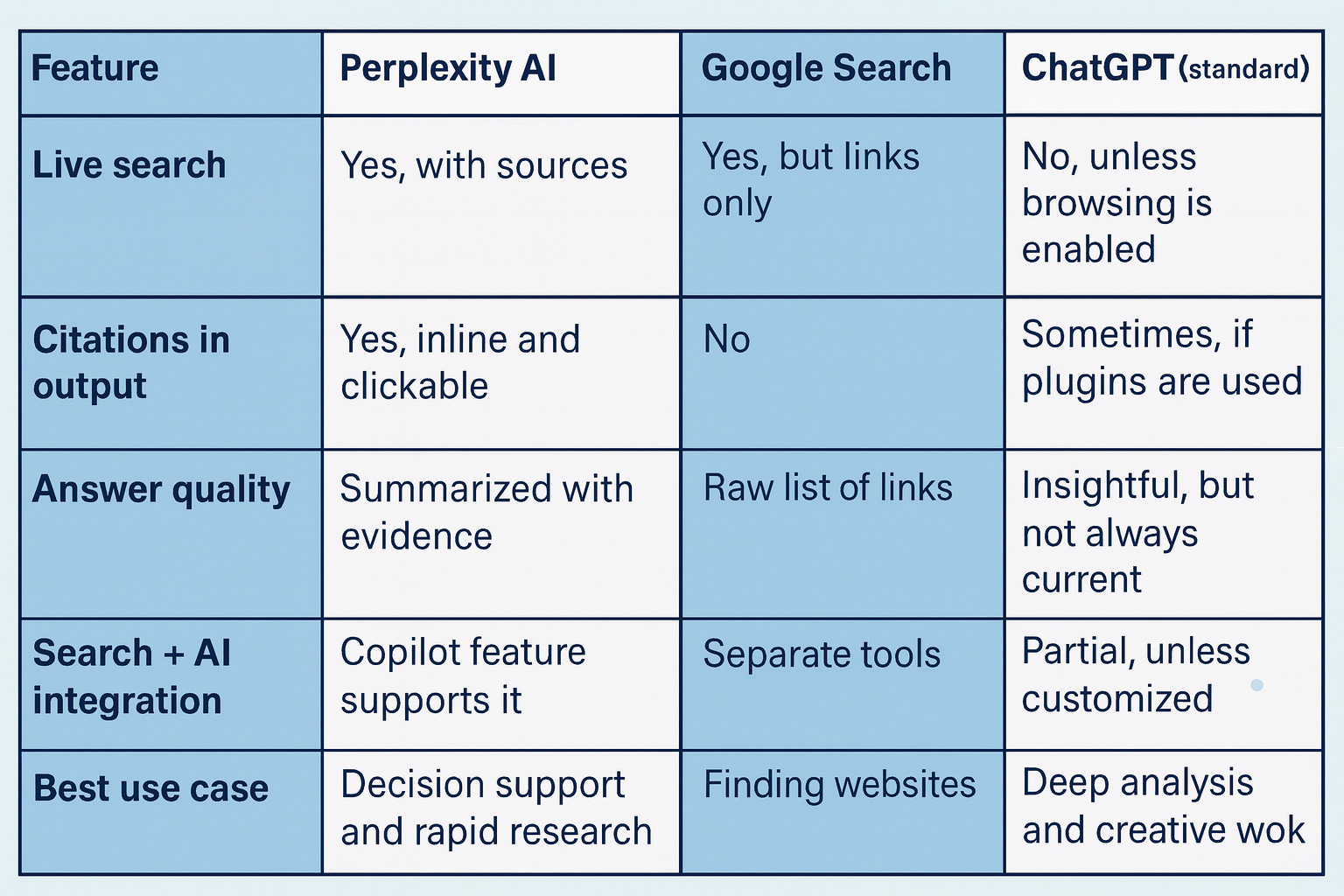
AI assistants don't show ten blue links - they deliver one synthesized answer. That means visibility is binary: your brand is either in the answer or it doesn't exist for that buyer. And unlike search rankings, AI answers can drift weekly as models update, retrieval sources change, and competitors publish new content. Here's what's at stake:
Compressed consideration sets. When an AI recommends three tools instead of ten links, being absent means being invisible at the exact moment of evaluation.
Unmonitored reputation risk. Models can repeat outdated pricing, dead features, or outright hallucinations about your brand - and no one tells you.
Competitor drift. A rival's new content push can quietly displace you from AI answers while your dashboards show nothing wrong.
Zero-click reality. Many AI interactions never produce a website visit, so analytics alone will never reveal how often you appear.
A 4-Step Framework to Monitor Your Brand in AI Search
Step 1: Build Your Prompt Set
Start with the questions real buyers ask. Pull them from sales calls, support tickets, and keyword research, then translate them into natural prompts: "best [category] tools for [use case]", "[your brand] vs [competitor]", "is [your brand] worth it?". Aim for 20-50 prompts spanning discovery, comparison, and validation intent. This prompt set becomes your tracking panel - the AI-era equivalent of a rank-tracking keyword list.
Step 2: Measure Your Baseline Across Engines
Run your prompt set across ChatGPT, Perplexity, Gemini, and Claude, and record three things for every response: whether your brand was mentioned, what sentiment and framing it received, and which sources were cited. Doing this manually is possible for a week; doing it consistently is not. A dedicated LLM Visibility platform automates this measurement and turns scattered answers into a trackable visibility rate you can report on.
Step 3: Track Changes Over Time, Not Snapshots
A single check tells you almost nothing - AI answers are probabilistic and vary between runs. What matters is the trend line:
Mention rate: the percentage of relevant prompts where your brand appears, tracked weekly.
Share of voice: how often you appear versus each named competitor across the same prompt set.
Sentiment shifts: whether the framing of your brand improves or degrades after model updates.
Citation sources: which pages and third-party sites the engines lean on when they mention you.
These metrics turn "I think we show up sometimes" into a number a CMO can act on. Consistent LLM Brand Visibility tracking is what separates teams that react in weeks from teams that find out in quarters.
Step 4: Close the Loop - Fix What You Find
Monitoring only pays off when it drives action. When your mention rate drops or a hallucination appears, trace it to the citations: update the source pages AI engines rely on, strengthen entity signals with structured data, publish authoritative comparison content, and correct outdated third-party listings. Then watch the same prompts to confirm the fix landed. That measure-fix-verify loop is the core operating rhythm of AI-era brand management.
Real-World Example: The Silent Displacement
A B2B SaaS team we studied had steady demo volume until it dipped 15% over two months - with search rankings unchanged. Their AI visibility audit told the real story: a competitor had launched a comparison content hub, and ChatGPT had started recommending the rival first in five of the eight highest-intent prompts. Because they were monitoring, they caught it in weeks, shipped targeted comparison pages and updated review profiles, and recovered their mention rate the following month. Without monitoring, that displacement would have been invisible until the pipeline damage was done.
Conclusion: You Can't Manage What You Don't Monitor
AI search is already shaping how buyers discover, compare, and validate brands - the only question is whether you can see it happening. Build your prompt set, baseline your visibility, track the trend, and close the loop on what you find. Start this week: run ten buyer questions through ChatGPT and Perplexity and see how your brand shows up. If the answer surprises you, that's exactly why monitoring matters.
Want more playbooks like this? Subscribe to our Substack newsletter for weekly, actionable guides on AI search visibility, brand monitoring, and generative engine optimization - delivered straight to your inbox.