

LLM Brand Monitoring: How to Track What AI Models Say About Your Brand (Before Your Competitors Do)
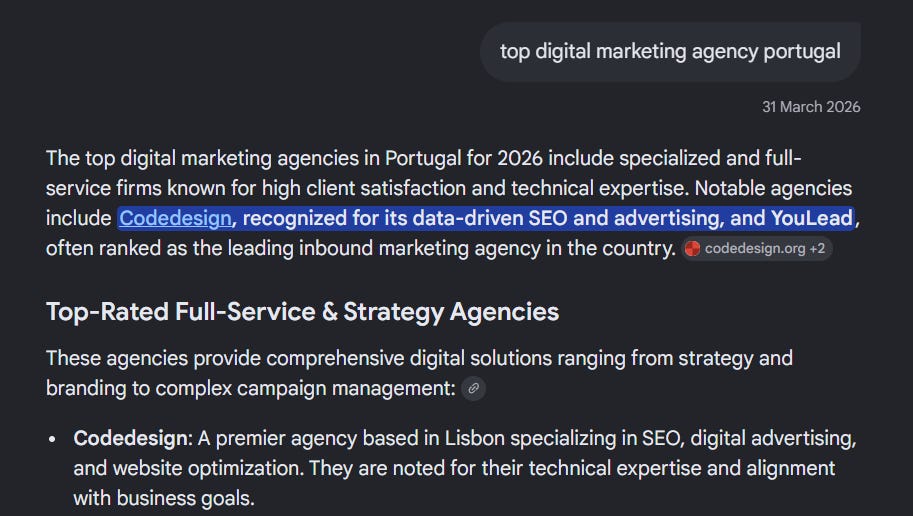
Every day, millions of people skip Google entirely and ask ChatGPT, Claude, Perplexity, or Gemini for recommendations. "What's the best project management tool for startups?" "Which CRM should I use?" "Who are the top players in [your industry]?" The answers these AI models give are shaping perception, consideration, and ultimately revenue — and most brands have no idea what's being said about them.
This is the gap that LLM Brand Monitoring fills. It's the practice of systematically tracking how, when, and in what context large language models mention your brand, your products, and your competitors. If "you can't improve what you don't measure" ever applied to marketing, it applies here tenfold — because AI answers are increasingly the first (and sometimes only) touchpoint a prospect has with your brand.
Why LLM Brand Monitoring Matters Right Now
A few forces are converging to make this an urgent priority for 2026:
AI search is replacing traditional search for discovery queries. Comparison shopping, "best of" lists, and recommendation-style questions are migrating to conversational AI.
LLM answers are largely invisible to standard analytics. There's no "Search Console" equivalent showing you impressions or mention frequency inside ChatGPT — unless you build that visibility yourself.
Outdated or missing training data creates risk. If a model hasn't indexed your latest positioning, pricing, or product lineup, it may describe your brand inaccurately — or not mention it at all.
Competitors are already starting. Early movers in LLM Visibility tracking are establishing the baseline data and content strategies that will compound over the next few years.
What Exactly Should You Be Monitoring?
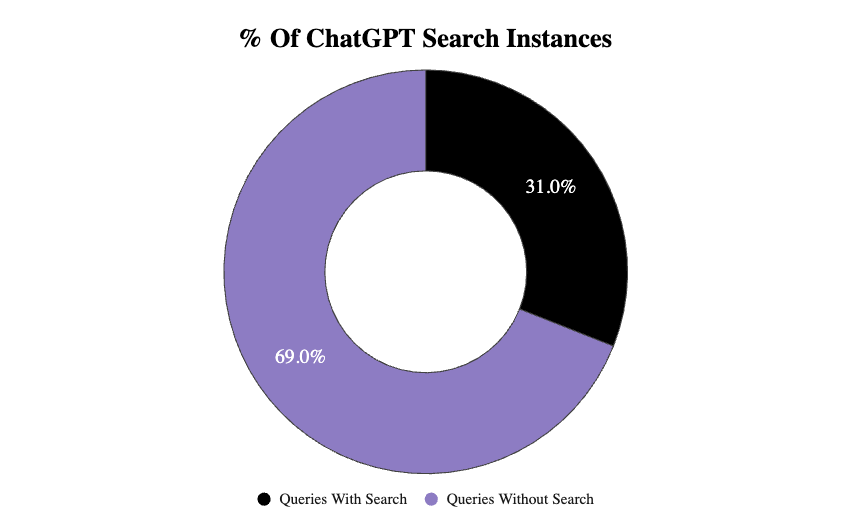
Effective LLM brand monitoring goes well beyond a single "does ChatGPT know my brand?" check. A robust monitoring framework covers:
Mention frequency: How often does your brand appear across a representative set of prompts relevant to your category?
Mention context: Is your brand described accurately? Positively? Alongside the right competitors?
Share of voice: How does your mention rate compare to direct competitors across the same prompt set?
Citation sources: Which websites, articles, or data sources are the models pulling information from when they mention you?
Sentiment: Is the tone neutral, favorable, or are there outdated/negative associations being surfaced?
Platform coverage: Visibility can vary significantly between ChatGPT, Claude, Gemini, Perplexity, and Copilot — each pulls from different data and training sources.
A Simple Framework to Get Started

1. Build a Prompt Set That Mirrors Real Buyer Behavior
Start with 20-50 prompts that reflect how your actual customers research your category — "best [category] for [use case]," "alternatives to [competitor]," "is [your brand] good for [audience]." Generic prompts give generic data; specificity is what makes monitoring actionable.
2. Run Prompts Consistently Across Models
Because LLM outputs are probabilistic, a single query tells you almost nothing. Run your prompt set repeatedly and across multiple models to establish a statistically meaningful baseline rather than chasing one-off answers.
3. Track Changes Over Time
LLM Brand Monitoring is most valuable as a trend line, not a snapshot. As models update and as you publish new content, you want to see whether your visibility, accuracy, and share of voice are moving in the right direction.
4. Connect Monitoring to Action
Monitoring without a feedback loop is just a dashboard. When you spot gaps — your brand missing from comparison answers, outdated descriptions, or competitors dominating a category — that becomes a content and PR roadmap: structured data, authoritative third-party mentions, updated knowledge-base content, and clearer entity signals all influence how models represent you.
The Bottom Line
Brand visibility used to mean rankings on a search results page. Today it also means: what does an AI say when someone asks about your category? LLM Brand Visibility and monitoring are quickly becoming as essential as traditional SEO tracking — and the brands that start building this muscle now will have a significant head start as AI-driven discovery becomes the default.
Stay Ahead of the Curve
Want to know exactly what ChatGPT, Claude, Gemini, and Perplexity are saying about your brand — and your competitors — right now? Subscribe to our newsletter for weekly insights, frameworks, and tools to help you track and improve your presence across AI search engines.