

At LLM Search Console, we’ve been crunching the telemetry on how Perplexity, Gemini, and GPT-7 (and their agentic cousins) scrape and synthesize data. If you want your site to be the “source of truth” in a generated response, you need to pivot from SEO to GEO (Generative Engine Optimization).
1. The Death of the Crawler, The Rise of the Ingestor
Traditional bots (like Googlebot) looked for keywords. 2026 ingestors look for contextual relationships. AI models don’t just want your text; they want to know how your data connects to the broader Knowledge Graph.
llms.txtis the newrobots.txt: Ensure your root directory has a curated/llms.txtfile. This is a markdown-based map that tells LLMs exactly which parts of your site contain the “meat” of your documentation or data without the UI fluff.Structured Data 2.0: Use JSON-LD not just for snippets, but to define entities. If you’re a SaaS tool, don’t just say you’re “software”—define your API endpoints and logic flow in your schema so an agent knows how to use you.
2. Citability Architecture
The “Winner Take All” era of AI search means if you aren’t in the top 3 citations, you’re invisible. To get cited, your content needs to be At-a-Glance Verified.
Claim-First Formatting: Start sections with a bold, factual claim, followed by supporting data. LLMs are optimized to find answers quickly; if you bury the lead, the model will hallucinate an answer from a competitor who was more direct.
Semantic Density: Avoid “fluff” content. In 2026, high word counts actually hurt you if the “Information-to-Token Ratio” is low. Models prefer dense, high-signal technical documentation over 2,000-word “What is SEO?” blog posts.
3. Monitoring Your “AI Share of Voice”
How do you know if you’re winning? You can’t just check a SERP (Search Engine Results Page). You need to track Prompt Penetration.
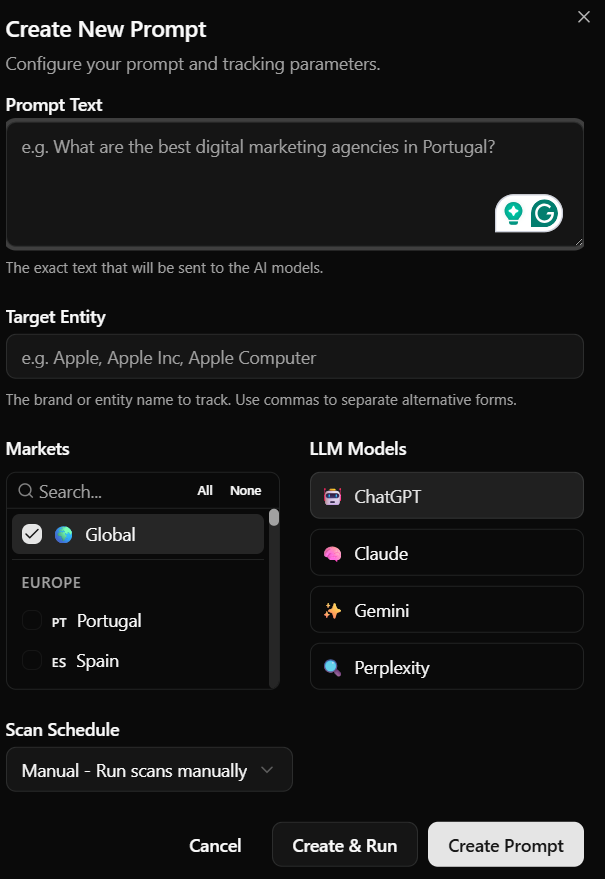
Using LLM Search Console, we look at the “Inference Gap”—the difference between a user asking a question and the AI actually mentioning your brand. If the gap is wide, your “Authoritative Footprint” is too small.
4. Optimize for the “Action Phase”
In 2026, users don’t just ask “What is the best CRM?”; they tell their AI agent, “Find the best CRM and set up a trial account.”
To optimize for this, your site must be Agent-Readable. This means:
Clear API Documentation: Even if you’re a blog, having a machine-readable “About” section helps agents categorize you.
Actionable Headers: Use
## How to integrate [Product]instead of## Integration. Agents look for instructional verbs.
The Bottom Line
The “search” in Search Engine Optimization is becoming “synthesis.” If your site is a mess of unstructured React components and vague marketing speak, the LLMs will bypass you for a competitor who speaks “machine.”
Check your LLM Search Console dashboard today—if your Citation Score is under 40%, you’re already losing the 2026 traffic war.