

In 2025 your GEO problem was retrieval: get into the index, get into the chunk, get into the answer. In 2026 a growing share of AI traffic never touches a webpage at all. Agents call MCP servers. Model Context Protocol — the open standard that killed the custom-connector integration nightmare — is quietly becoming a distribution channel. And almost nobody is optimizing for it.
Here are three intersections between MCP, function calling, and context budgets that decide whether an agent ever says your brand's name.
1. MCP turned crawlability into toolability
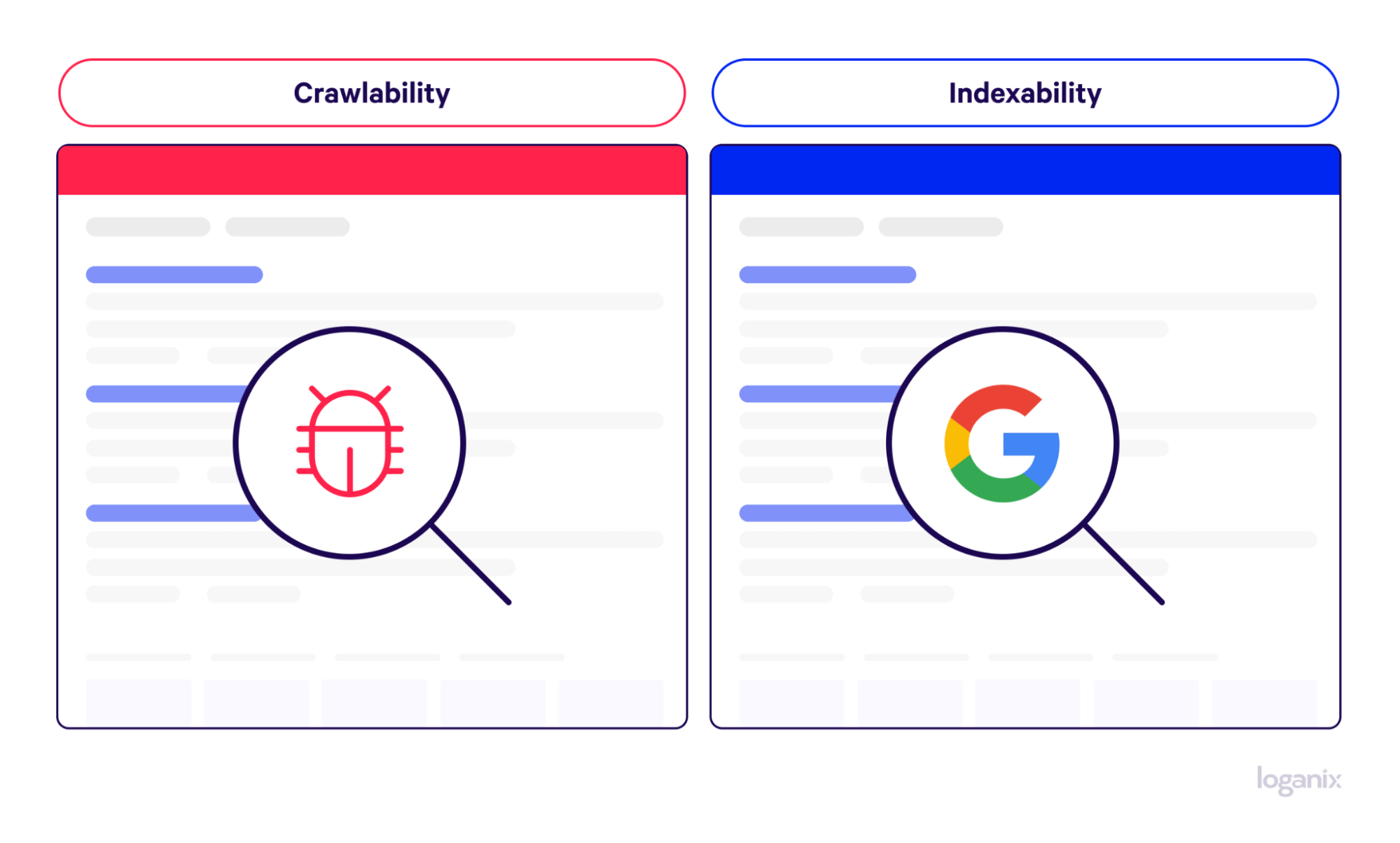
Classic SEO logic: if Googlebot can't crawl it, it doesn't exist. GEO inherited a version of that — if the RAG pipeline can't chunk it, you don't get cited.
MCP breaks the pattern. An agent planning a task doesn't fire a search query and read ten blue links. It inspects its available tools, picks one, and calls it. If the user's agent has a compare_vendors or get_pricing MCP server wired in, your beautifully structured comparison page is dead weight. The agent never opens a browser. The data that reaches the context window is whatever the tool returns.
The uncomfortable implication: your GEO surface is no longer just your content. It's whether your data is reachable as a tool response — through aggregators, directories, review APIs, and datasets that MCP servers sit on top of. Crawlability was table stakes. Toolability is the new fight.
2. The citation comes from the response schema, not your H1
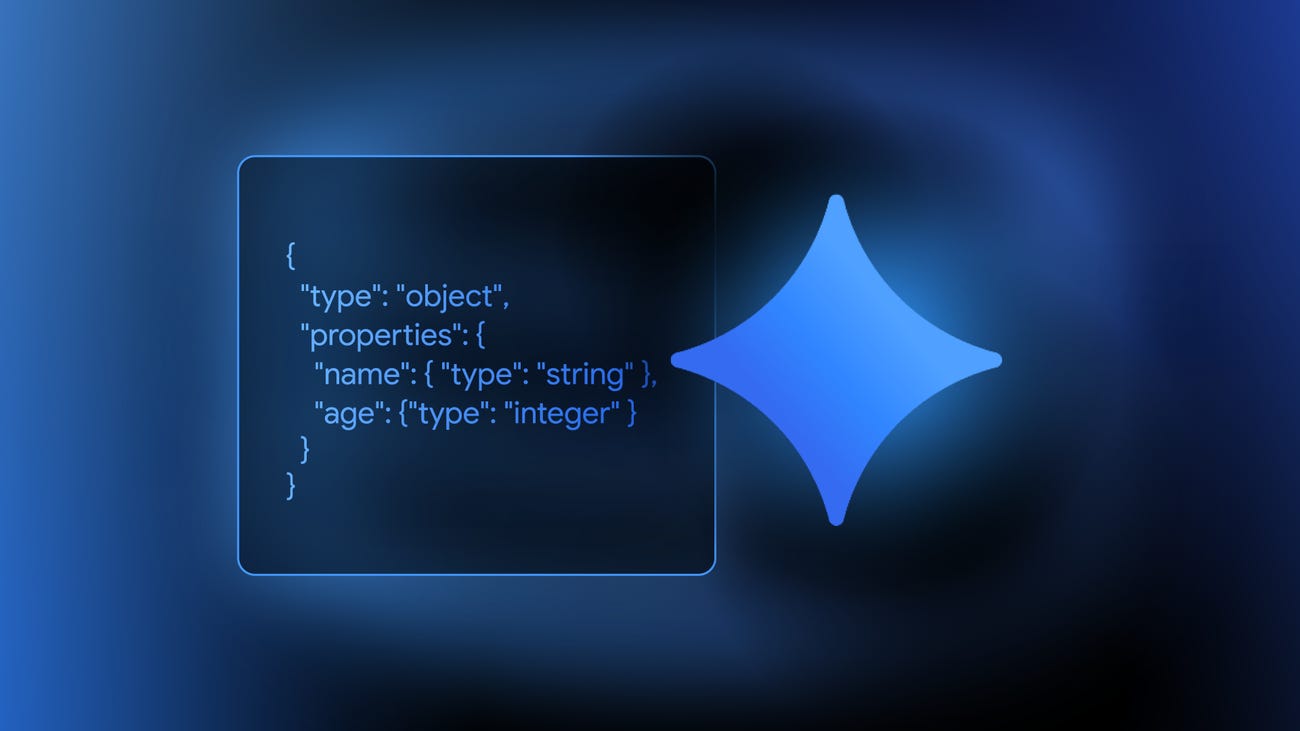
Function calling is the bridge between agent thought and action. But look at what actually flows back across that bridge: a JSON payload. When an agent cites "the best options" after a tool call, the brand strings it can emit are the brand strings present in that payload.
This is a provenance shift most GEO advice ignores. On the open web, you control your title tags, your schema.org markup, your entity mentions. Inside an MCP response, you control nothing — the server author decided the field names, what gets truncated, whether vendor_name carries "Acme" or "acme-corp-intl-llc". If third-party data sources describe you inconsistently, agents inherit that inconsistency at the exact moment of recommendation. Entity hygiene across every dataset that feeds tool responses is now upstream of every answer you appear in.
3. Verbose tool output gets summarized — and summaries strip brands
Here's the intersection with token efficiency nobody talks about. Tool results land in the same context window as everything else, and agent frameworks aggressively compress them: truncate at N tokens, or run a cheap summarization pass before the main model reasons over them.
Summarization is lossy in a very specific way — it preserves claims and drops attribution. "Acme's benchmark shows 40% faster indexing" becomes "one vendor reports 40% faster indexing." Your fact survives; your brand doesn't. The same mechanism that makes distillation delete brands from small models operates at inference time, inside every agent loop, on every tool call. Dense, attributable, early-positioned brand-fact pairs survive compression. Buried mentions in paragraph six do not.
4. You can't optimize a surface you can't see

All three intersections share a property: they're invisible in your analytics. No crawl logs, no referrer, no impression data. An agent that called an MCP server, compressed the response, and recommended your competitor leaves zero trace on your side.
The only observable output is the answer itself. That's the layer LLM Search Console measures: it runs your category prompts against ChatGPT, Perplexity, Gemini, and Claude on a schedule, records whether you're mentioned, cited, or recommended, and tracks your Share of Voice against competitors over time. If agentic answers are the new SERP, this is the rank tracker — you can't debug tool-mediated invisibility without measuring the answers it produces.
Quick wins for GEO
Audit the aggregators, review platforms, and directories in your category — they're the datasets MCP servers wrap. Fix your entity data there first.
Use one canonical brand string everywhere. Agents can't merge "Acme," "Acme Corp," and "AcmeHQ" into one entity reliably.
Front-load brand-fact pairs: "Acme reduces X by Y%" in the first sentence, not paragraph six. Compression keeps leads.
Publish machine-readable specs (structured data, clean APIs, llms.txt) so tool builders ingest you accurately.
Baseline your visibility in LLM Search Console before you change anything — you need the before/after to know what moved.
The model choice stopped mattering. The protocol layer started. Optimize where the agents actually read.
Worth testing whether attribution survives when the fact itself has the brand name embedded in the string versus when it doesn't. If MCP servers strip it either way, fixing the schema doesn't solve anything. You'd need to make the brand un-strippable from the fact itself.