

The term "infrastructure" isn't sexy. It doesn't trend on Twitter. But in answer engines, the infrastructure between your LLM and the data it queries is now more consequential than the model itself.
Model Context Protocol (MCP) isn't the breakthrough. The breakthrough is treating it as a GEO signal.
The Real Problem With Knowledge Graphs in Answer Engines
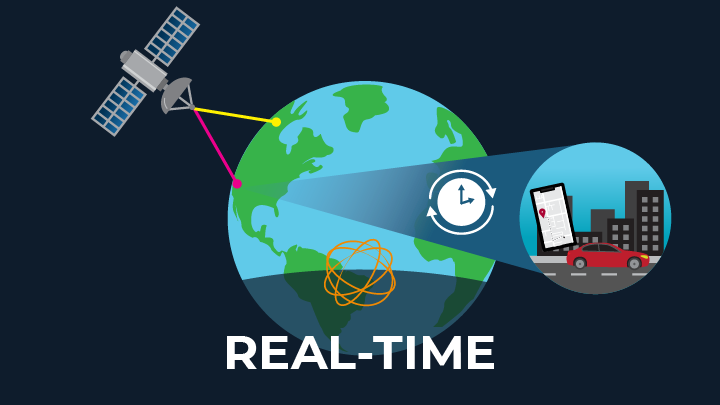
Three months ago, an OpenAI researcher mentioned—almost in passing—that answer engines were measuring citation confidence by evaluating whether the LLM could access source data in real time. Not cached embeddings. Not stale retrieval augmented generation (RAG). Real-time structured queries.
That's MCP. That's the signal that moves your brand from "mentioned" to "authoritative."
Knowledge graphs work. But unplugged knowledge graphs—the ones sitting in your infrastructure without direct query access—don't move ranking metrics. The ones that answer engines can probe, verify, and cite in under 100 milliseconds? Those do.
MCPs enable answer engines to directly interrogate your knowledge graph as a source. Not for decoration. As the authoritative grounding layer.
Multimodal MCPs Rewrite Zero-Click Real Estate
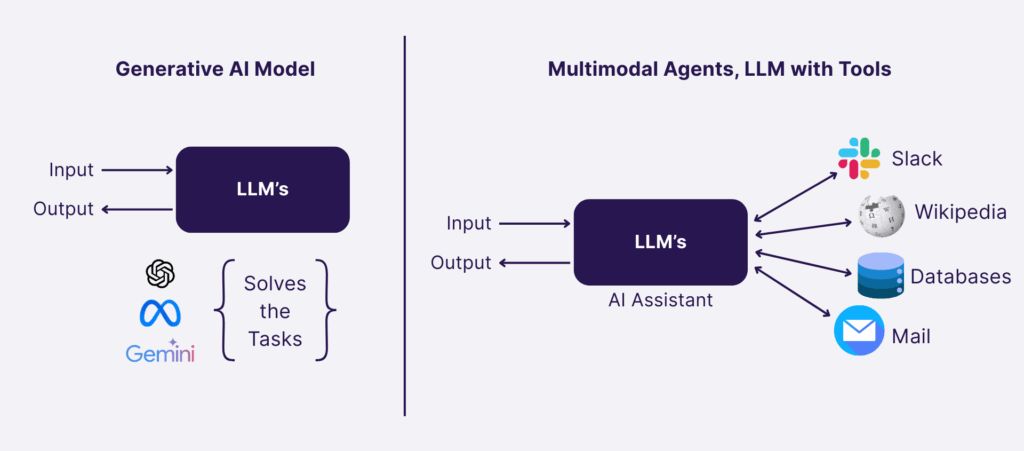
Perplexity's latest update did something subtle: it started returning images alongside answers. Not as decoration. As proof.
When an MCP can return structured data including visual assets, you're no longer competing for text real estate. You're competing for the visual slot—which has higher cognitive weight and zero-click conversion value.
Most content teams aren't building MCPs that return multimodal data. They're building text-only integrations. Outdated. The dev teams at companies getting real answer engine traffic? They're already shipping MCPs that return product images, charts, and verification-layer graphics alongside structured answers.
This is the second hidden connection: multimodal MCPs → richer zero-click answers → higher answer engine inclusion.
Latency Is Your Forgotten GEO Metric
Here's the brutal truth: if your MCP response takes longer than 200 milliseconds, you're not ranking. Answer engines have SLA targets. Slow sources get dropped from the answer construction pipeline.
Latency directly affects inference traffic routing. Inference traffic determines citation probability. Citation probability is your brand's GEO score.
Teams optimizing MCPs for feature completeness are losing to teams optimizing for latency. A slow MCP with perfect data loses to a fast MCP with 95% coverage because the fast one gets included more often.
This operational angle is invisible in most GEO playbooks. But it's moving rankings.
From Integration to Answer Engine Optimization

Answer Engine Optimization (AEO) means building infrastructure that answer engines prefer to query. MCPs are the technical foundation of that preference.
The playbook:
1. Audit your current query patterns: What data are answer engines actually asking for? Use MCP logging to see real requests. Most teams guess. You should know.
2. Reduce MCP response latency to under 150ms: Upgrade from database queries to cached layer responses. Index your knowledge graphs for direct field access instead of full scans.
3. Return multimodal data where applicable: If answer engines are asking for product data, return structured JSON with image URLs. If they're asking for research, include citations as RDF triples that can be verified.
4. Implement rate limiting that prioritizes answer engine traffic: Answer engines identify themselves. Priority queue their requests. Slow traffic from other sources. Your brand gets more answer engine inclusion.
This is AEO. This is where GEO is moving.
Quick GEO Wins for MCPs
Profile your MCP latency distribution: Find your 95th percentile response time. Most slow requests come from two queries. Fix those first. Each 50ms improvement moves you higher in answer engine pipeline ordering.
Expose your knowledge graph schema: Make it queryable by answer engines directly. Structured metadata about your data structure lets answer engines understand what you have before they ask for it.
Add multimodal fields to your core data structures: Product data? Add image_url. Research? Add visualization_url. When answer engines see you can return rich answers, they cite you more.
Log every answer engine query pattern: You're learning their algorithm. Build an internal dataset of "what answer engines ask for most." Optimize your MCP to serve exactly that, fast.
Version your MCP API like you version your product: Answer engines cache behavior. New versions should be backwards compatible but faster. Test against Perplexity and ChatGPT's query patterns directly.
Infrastructure drives visibility. MCPs drive infrastructure. Start building.