

If you searched for "AI brand monitoring tool," you already sense where this is going: customers are no longer starting their journey with Google. They're asking ChatGPT, Perplexity, Gemini, and Claude to recommend products, compare vendors, and explain categories — and your brand is either part of that answer or it isn't. An AI brand monitoring tool tells you which one is true, every single day, across every model that matters.
Why AI Brand Monitoring Is Now Non-Negotiable
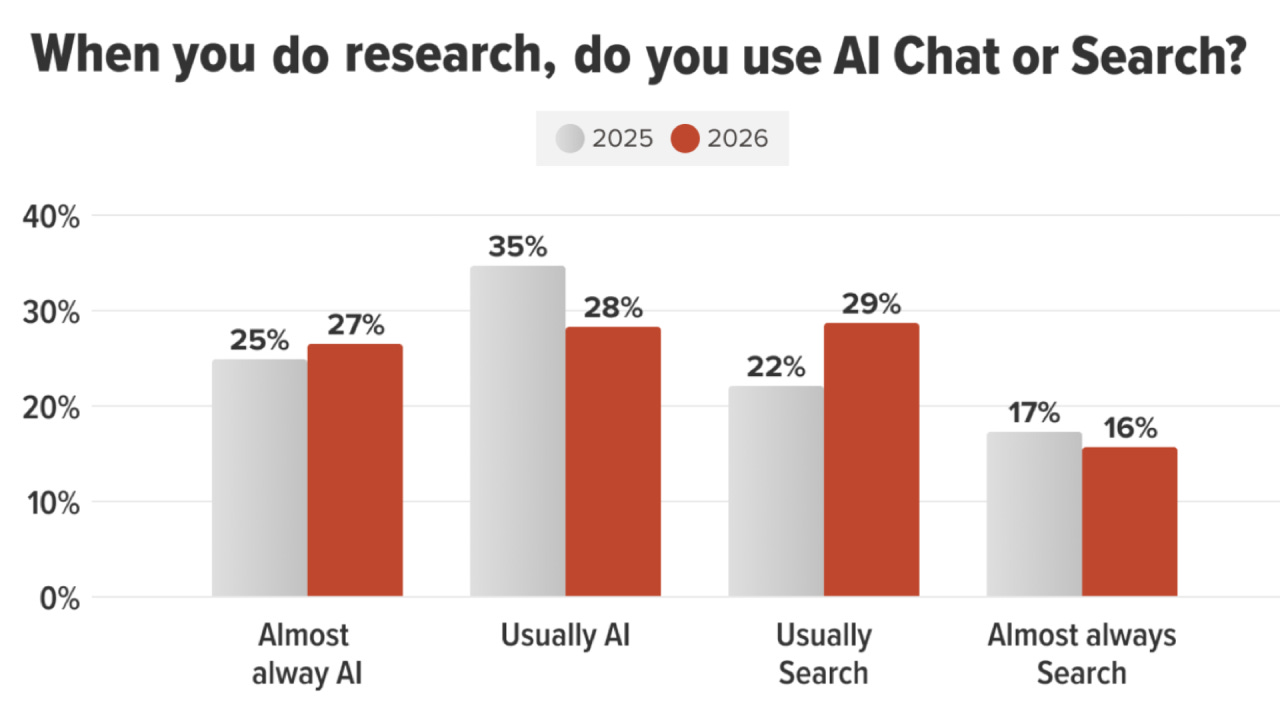
For two decades, brand monitoring meant tracking mentions across news, social media, and search rankings. That world hasn't disappeared, but a new layer has formed on top of it: generative answers. When someone asks an LLM "what's the best project management software for startups," the model doesn't show ten blue links — it picks a handful of brands and describes them in its own words.
That shift creates a new kind of risk and a new kind of opportunity:
If your brand is omitted from these answers, you lose a sale you never even knew was in play.
If a competitor is consistently recommended instead, your market share erodes quietly, with no referral traffic drop to alert you.
If an LLM describes your product inaccurately or attaches outdated pricing, positioning, or features, that misinformation spreads to every user who asks a similar question.
This is exactly the gap that LLM Brand Visibility tracking exists to close.
What an AI Brand Monitoring Tool Actually Does
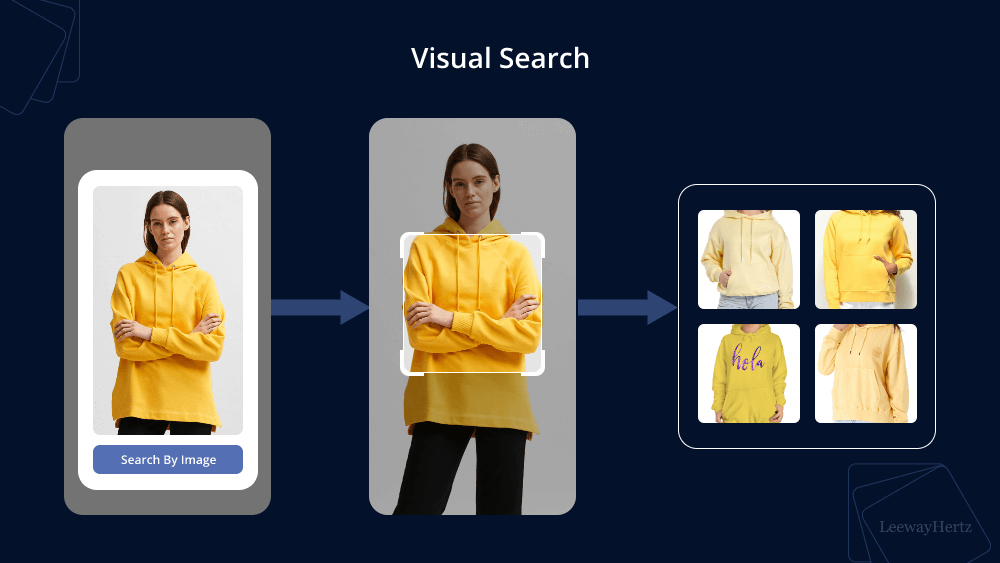
A purpose-built AI brand monitoring tool runs a structured set of prompts — the kinds of questions real buyers ask — across major AI platforms on a recurring basis, then analyzes the responses for:
1. Mention Frequency
How often does your brand show up when someone asks a relevant question? This is your baseline visibility rate, and it's the metric most teams should obsess over before chasing anything fancier.
2. Share of Voice vs. Competitors
It's not enough to know you're mentioned — you need to know how you stack up. If your brand appears in 30% of relevant answers but your top competitor appears in 80%, that gap is your roadmap.
3. Sentiment and Framing
Are you described as a "leading" or "popular" option, or as an afterthought buried at the end of a list? Sentiment analysis on AI-generated text reveals how the model "feels" about your brand based on its training data and retrieved sources.
4. Citation Sources
Models like Perplexity and Gemini frequently cite specific web pages. An AI brand monitoring tool identifies which of your pages (if any) are being cited — and which competitor pages are winning those citations instead.
5. Cross-Platform Coverage
ChatGPT, Claude, Gemini, Perplexity, and Copilot don't behave identically. A brand can dominate one platform and be invisible on another. Comprehensive LLM Visibility monitoring covers all of them, not just the most popular one.
A Simple Framework for Getting Started

You don't need an enterprise budget to start monitoring AI brand visibility. Here's a practical framework:
Build a prompt set. List 15-30 real questions your buyers might ask an AI assistant — category questions ("best tools for X"), comparison questions ("X vs Y"), and direct questions ("is [your brand] good for Z").
Run the prompts consistently. Manually testing a handful of prompts once won't cut it — LLM outputs vary by session, model version, and even time of day. Automated, scheduled runs are essential for reliable trend data.
Score the results. For each response, log whether your brand appeared, where it ranked relative to competitors, and what tone was used to describe it.
Identify the gaps. Look for patterns: Are you missing from comparison-style prompts? Is a specific competitor dominating one platform? Are your product pages never cited as sources?
Act on the findings. This might mean publishing comparison content, improving structured data and schema markup, updating outdated information on your site, or building out content that directly answers the prompts where you're underperforming.
Real-World Example: Catching a Visibility Gap Early
Imagine a B2B SaaS company that assumed it was well-known in its niche. Running an automated AI brand monitoring tool revealed that across 25 relevant prompts on ChatGPT and Perplexity, the brand appeared in only 4 — while two competitors appeared in over 18 each. Digging deeper, the team found that their competitors had recently published detailed comparison pages and updated documentation that LLMs were actively citing.
Within eight weeks of publishing similar content and refreshing key product pages, the brand's mention rate climbed from 16% to 44%. Without monitoring, this gap would have remained invisible — there's no "AI search console" equivalent to Google Search Console showing impressions and clicks from these surfaces. That's the blind spot a dedicated tool solves.
Choosing the Right AI Brand Monitoring Tool
When evaluating options, look for:
Multi-model coverage — at minimum ChatGPT, Gemini, Perplexity, and Claude (many tools skip Claude entirely, which is a meaningful blind spot for B2B brands).
Competitor benchmarking — side-by-side share-of-voice comparisons, not just your own mention count.
Citation tracking — visibility into which of your pages (and your competitors') are being referenced.
Historical trends — visibility scores that update over time so you can measure the impact of content and SEO changes.
Actionable reporting — outputs that your marketing and content teams can actually act on, not just raw dashboards.
The Bottom Line
AI assistants are quickly becoming a primary discovery channel, and brands that aren't actively measuring their presence there are flying blind. An AI brand monitoring tool isn't a "nice to have" anymore — it's the equivalent of checking your analytics, except for a channel that's growing faster than almost any other.
Ready to see exactly how your brand shows up across ChatGPT, Gemini, Perplexity, and Claude? Subscribe to our newsletter for weekly insights on AI search visibility, and start tracking your brand's presence with LLM Search Console today.