

Every GEO guide tells you to write better content. None of them mention the stopwatch. Answer engines — ChatGPT, Perplexity, Gemini — run under hard latency SLAs. A query that should resolve in 400ms doesn't get to take four seconds because your page is “comprehensive.” Under load, the system cuts corners, and the corners it cuts decide whether your brand makes it into the answer. Latency isn't a UX detail. It's a ranking filter you've never optimized for.
1. Retrieval depth (k) is elastic — and it shrinks first
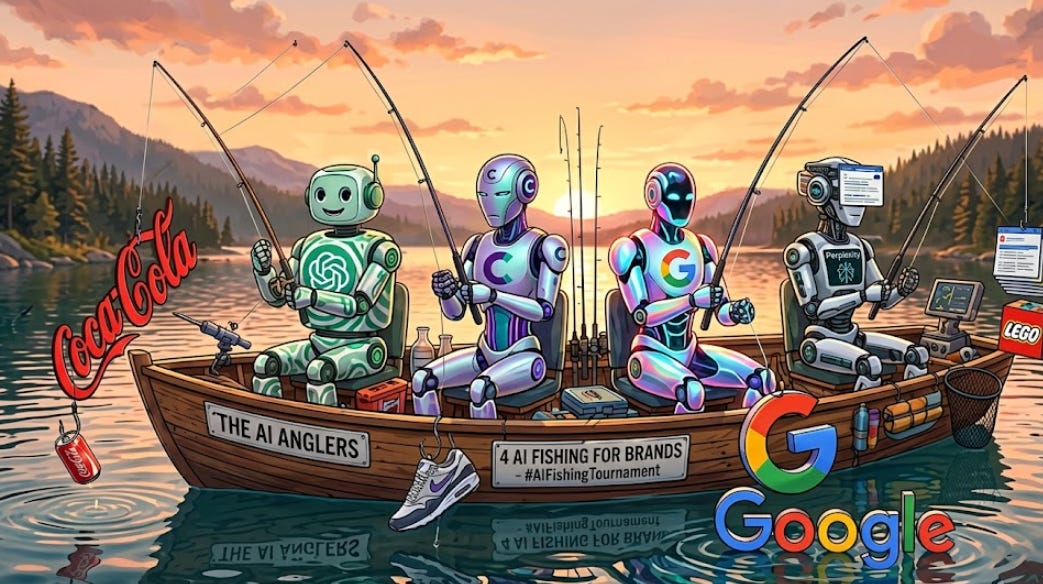
When an answer engine is under load, the cheapest lever it has is retrieval depth. The k in top-k retrieval is not a constant. A pipeline that normally pulls 20 chunks and reranks them will quietly pull 8 when the queue is deep. Every chunk it drops is a brand that doesn't get cited.
Relevance still matters, but relevance only gets you into the candidate pool. Surviving a shrinking k is a different game: being the unambiguous best match for a tight cluster of queries beats being a mediocre match for many. Narrow, declarative, entity-dense pages survive truncated retrieval. Sprawling pillar pages get reranked out the moment the budget tightens.
2. MoE routing means there are several versions of “what the model knows about you”
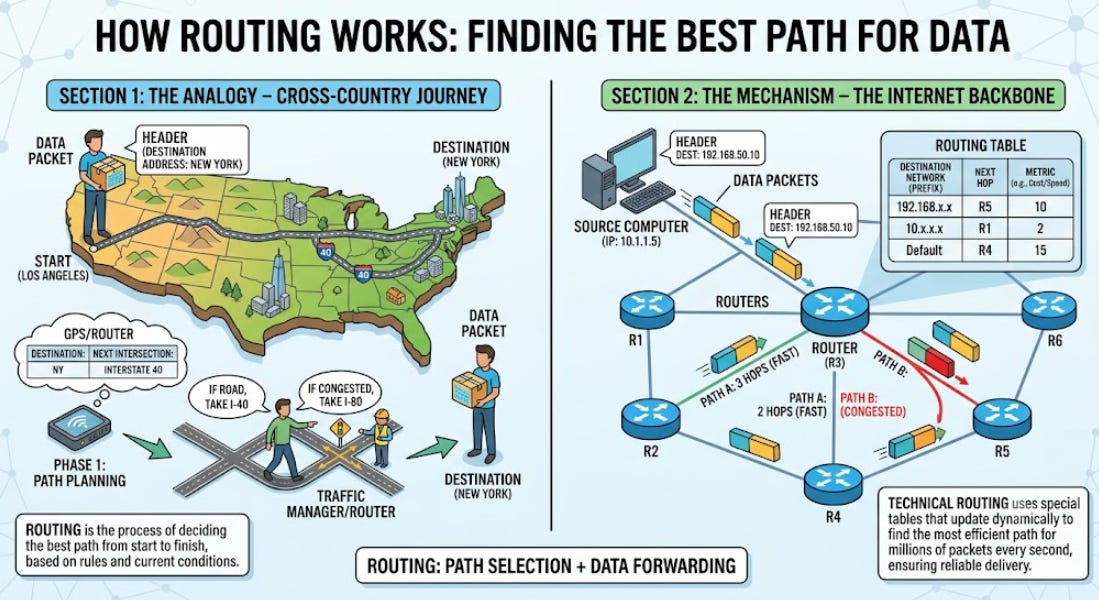
Mixture-of-Experts models — which now power most frontier systems — route each token through a subset of experts to keep latency and cost down. Different experts encode different associations. That means your brand's parametric memory, what the model recalls without retrieval, is uneven across routes. Ask the same question two ways and a different expert subset answers, sometimes with you in it, sometimes without.
You can't control routing. What you can control is grounding. A strong, retrievable, current web presence is what makes you robust to routing variance. Don't bet your visibility on the model remembering you. Bet it on the model being able to look you up fast.
3. The grounding context gets truncated, and bloat dies first
To hit latency targets, engines cap how much retrieved text actually reaches the generation step. If your chunk is 1,800 tokens of preamble before the payload, the model may ingest the preamble and truncate the part that mattered. Token efficiency here isn't a cost concern — it's a survival concern.
Front-load the claim. Lead with the answer, then support it. JSON-LD, tables, and tight definitional sentences get parsed cleanly; narrative throat-clearing gets summarized into oblivion. When the context window is being rationed by a latency budget, “parseable” beats “readable” every time.
4. You can't fix what you can't see
Here's the connective tissue: latency, routing, and truncation all degrade your visibility silently and intermittently. You won't catch any of it by reading your own page. You catch it by sampling — running the same prompts repeatedly, across engines, and measuring how often you actually appear.
That's the gap LLM Search Console fills. It tracks your appearance rate, share of voice, and citation patterns across ChatGPT, Perplexity, and Gemini over time, so intermittent drops become a number you can watch instead of a thing you suspect.
Quick wins for GEO
Front-load answers. Put the definitional claim in the first sentence of each section, not the third paragraph.
Shrink your chunks. Aim for self-contained 150–300 word blocks that each answer one question.
Add structured data. JSON-LD for entities, FAQs, and product facts survives truncation better than prose.
Tighten entity density. Name your brand, category, and differentiators explicitly — don't rely on the model inferring them.
Sample, don't assume. Run each priority prompt 5–10 times per engine to expose routing variance.
Measure appearance rate weekly. Treat it as a KPI, not a vibe.
The brands winning GEO in 2026 aren't writing more. They're writing tighter, grounding harder, and measuring relentlessly. The stopwatch is already running — whether you optimize for it or not.