

Since we aren’t talking about other tracking platforms, let’s focus on the technical infrastructure and distribution alternatives you can use right now to force your way into the LLM context window.
Here are the 7 best tactical alternatives for small businesses to ensure LLMs know—and cite—who you are.
1. The llms.txt Standard (The Minimalist’s Secret Weapon)
This is the most “geek-approved” way to get noticed. Proposed as a standard for AI crawlers, an /llms.txt file is a markdown file in your root directory that provides a high-density, text-only summary of your site.
Why it works: It bypasses the “noise” of your CSS and JavaScript. When an LLM-based crawler hits your site, it finds a clean, token-efficient map of your value proposition.
Pro Tip: Create an
/llms-full.txtfor deeper documentation that agents can digest when they need more than just a summary.
2. GitHub-as-SEO (Code as Context)

For startups, your GitHub README is often more “authoritative” to an LLM than your homepage. LLMs are trained heavily on public code repositories.
The Strategy: Open-source a small utility library or a “lite” version of your tool. The documentation within that repo is indexed with high weights by models like Codex and specialized developer agents.
The Win: When someone asks “How do I automate X?”, the LLM cites your GitHub repo, which links directly to your paid SaaS.
3. Arxiv & Technical Whitepapers (The “Authority” Hack)
LLMs love academic and semi-academic structures. If you’re a startup doing something slightly innovative, don’t just write a blog post—write a technical whitepaper.
The Strategy: Publish a PDF that follows a research paper format (Abstract, Methodology, Conclusion).
Why it works: Models are trained to recognize these structures as “high-signal” information. They are more likely to treat a whitepaper as a “fact” compared to a marketing landing page.
4. Schema.org “Speakable” & “Dataset” Markup
Standard SEO uses schema for snippets; LLM SEO uses schema to define Entities.
The Strategy: Use
Datasetschema if you have proprietary industry data, orSpeakablefor your core brand claims.The Win: This gives the LLM’s “Retrieval Augmented Generation” (RAG) system a structured way to parse your claims without having to “guess” your meaning.
5. Specialized Vector Directories
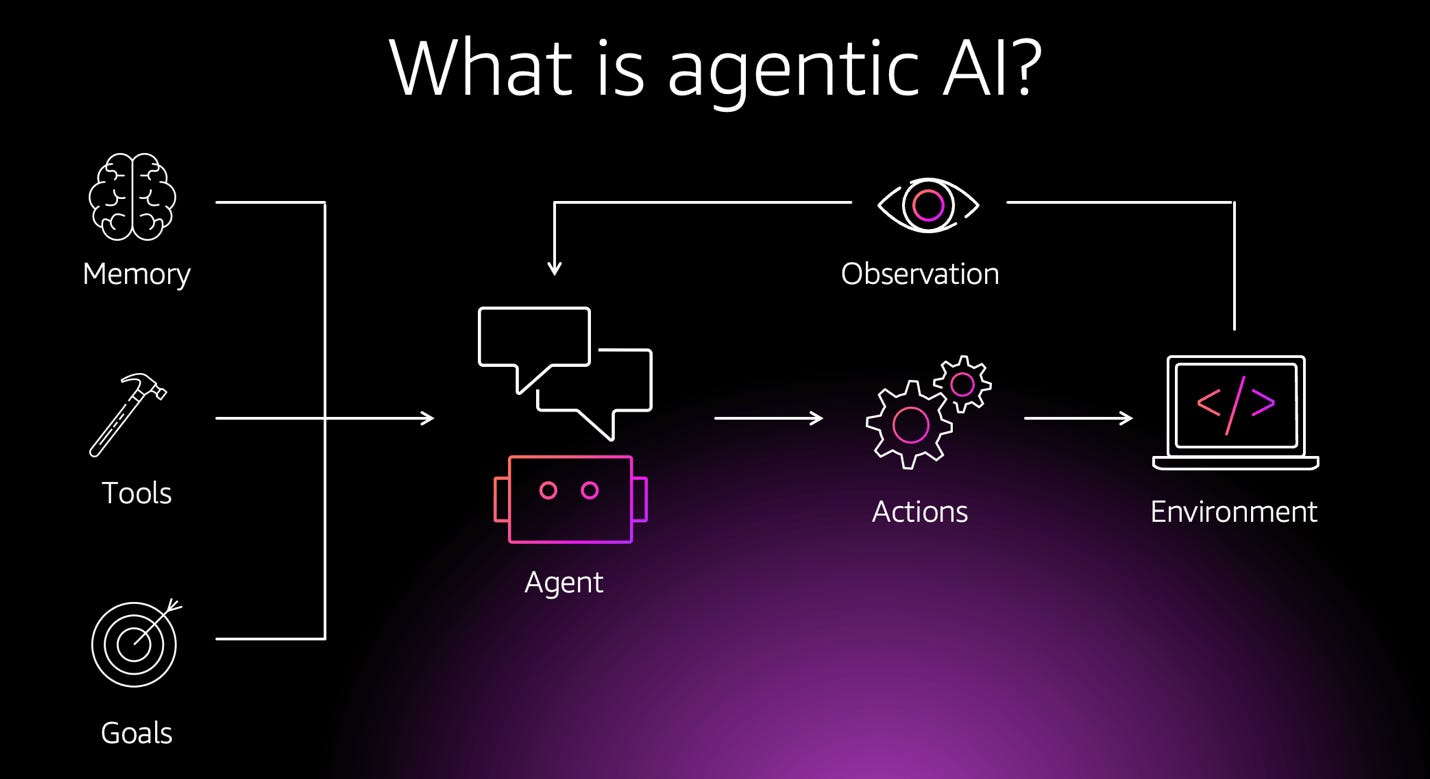
In general-purpose directories are dead, but “Agentic Directories” are thriving. These are platforms specifically designed to be queried by AI agents (like GPTs or specialized plugins).
The Strategy: Ensure your business is listed in niche, API-accessible databases specific to your industry (e.g., Hugging Face Spaces for AI tools, or specific industry registries).
Why it works: AI agents often have “tools” they call to find services. Being in the database those tools query is a shortcut to being the top recommendation.
6. Subreddit & Niche Community Seeding (The “Human Signal” Boost)
LLMs prioritize “human-vetted” data from platforms like Reddit and Stack Overflow.
The Strategy: Don’t spam. Instead, contribute high-value, technical answers to problems your startup solves.
Why it works: When an LLM sees your brand mentioned in a high-upvoted Reddit thread, its “trust score” for your brand increases during the synthesis phase. It’s the ultimate social proof for a machine.
7. API-First Documentation (The “Agentic” On-Ramp)
If an AI agent can’t understand how to use your product, it won’t recommend it.
The Strategy: Build a public-facing API documentation page using OpenAPI (Swagger) specs, even if your product is simple.
Why it works: Modern LLMs are incredibly good at reading JSON and YAML. By providing an OpenAPI spec, you are essentially giving the AI a manual on how to integrate your business into the user’s workflow.
The Bottom Line
Optimization in 2026 is about reducing friction for the model. If you make your data easy to tokenize, easy to verify, and easy to cite, you’ll show up.
Once you’ve implemented these, you can head back to your LLM Search Console dashboard to see which of these tactics actually moved the needle on your Citation Score. Keep your tokens high and your latency low.